At Kaleidex Group company OxDevice, ideas don’t arrive fully formed. Sometimes they show up as little more than a sketch on a napkin. For Principal Engineer Nicolas Chan, that’s where the real work begins and our focus for the next in our Made By People series.
Joining OxDevice in 2021 as a Production Technician, Nicolas started out assembling microscopic, complex medical devices in cleanroom environments. Today, he leads projects from early-stage concept through to prototype, testing and transfer to manufacture, helping turn ambitious medical ideas into working, testable realities.
His journey reflects the culture at OxDevice: hands-on, collaborative, and grounded in deep technical expertise.
From building devices to shaping them
Nicolas began on the production floor, building and assembling devices piece by piece. That early exposure proved invaluable.“Starting in production familiarised me with processes, and materials to manufacture medical devices” he explains. “When you’ve physically built something, you learn about its limitations, possibilities and, most importantly, how they can be improved”
That understanding led to ideas. Ideas led to design input. Design input became project ownership. Over time, Nicolas transitioned into product development, contributing to CAD models, prototyping strategies and testing plans. Today, as Principal Engineer, he oversees projects end-to-end – guiding concepts from whiteboard sketches to validated prototypes ready for clinical progression.
“You’re not just designing something to function. You’re designing something to function inside a human.”
Expanding our Nitinol capabilities
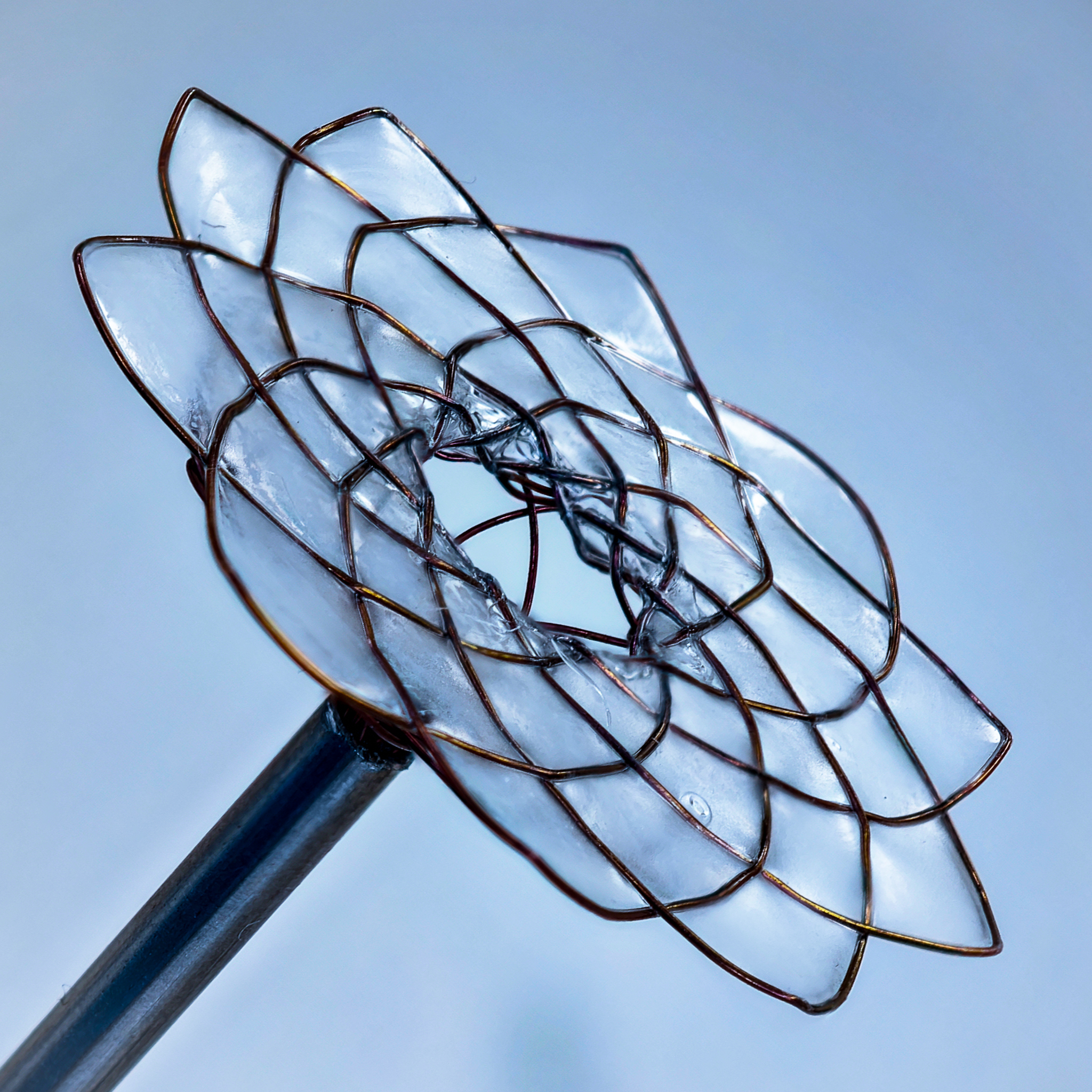
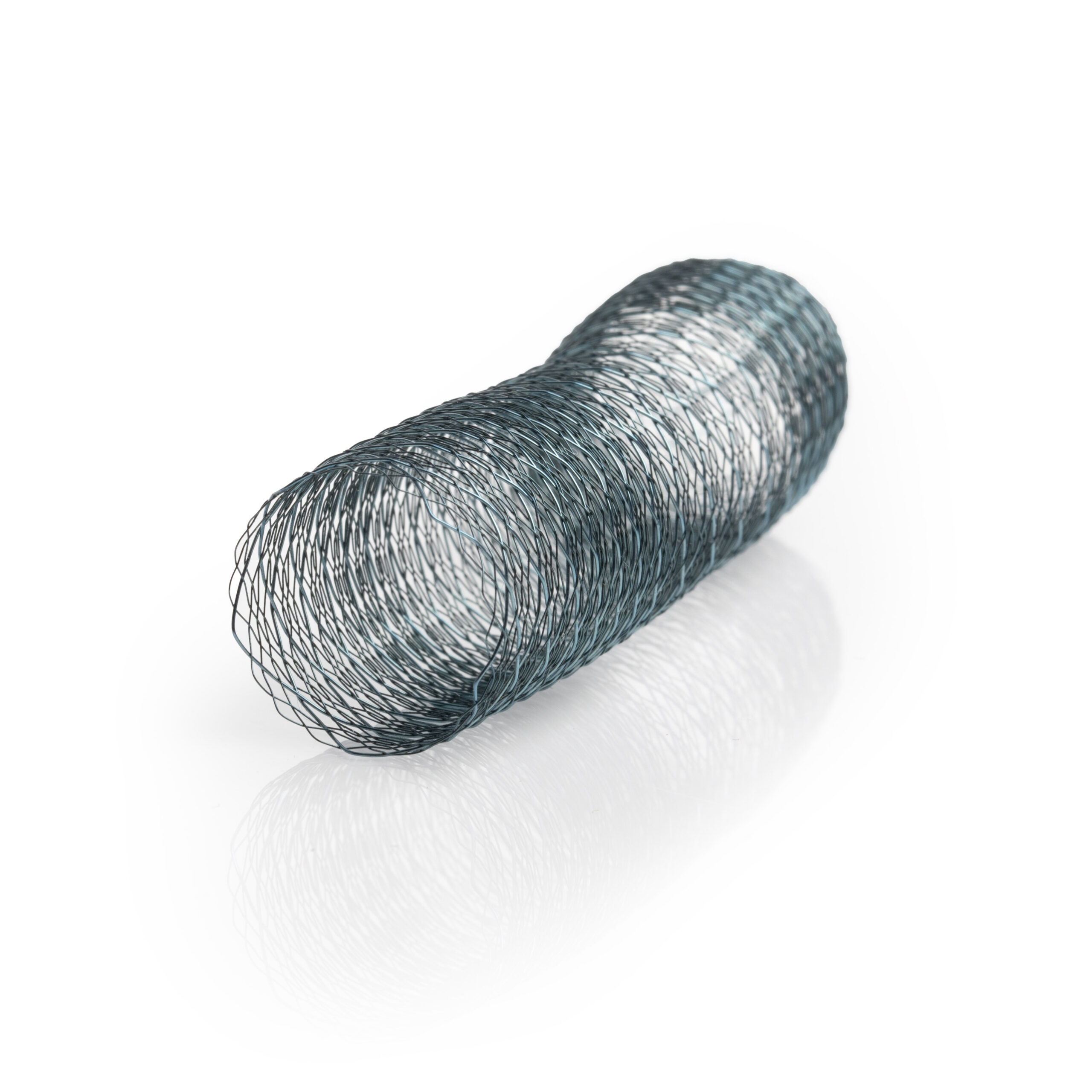
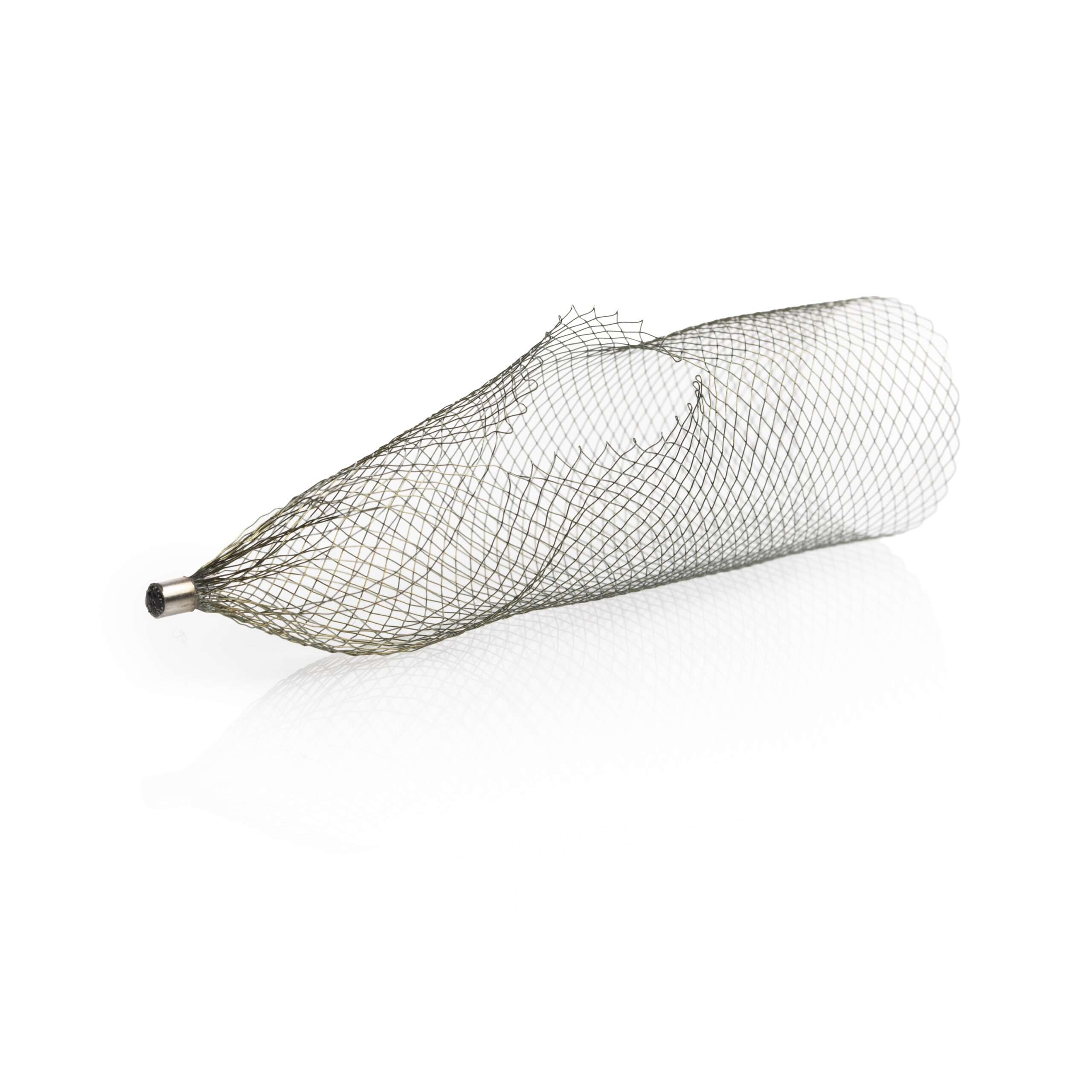
In-house facilities for Nitinol braiding, laser-cutting, heat-treatment and electropolishing forms the basis of many of OxDevice’s projects. “Having all of these capabilities under a single roof allows me to focus where it really matters: making the best possible product”
OxDevice’s braiding capability offers a particular advantage: automated, precise, individual control of each braid wire, combining the freedom of manual braiding with the efficiency of automation. The industry’s demand for complex Nitinol devices led Nicolas and the engineering team to design and build a unique automated braiding machine from the ground-up. The machine’s design drew from the company’s vast experience in manual-braiding techniques. “Building braids with manual techniques opened up a world of possibilities to create complex geometries and patterns. With growing demand for these types of devices, we wanted to develop an automated capability that would offer something unique to our customers”
Turning a sketch into a life-saving device
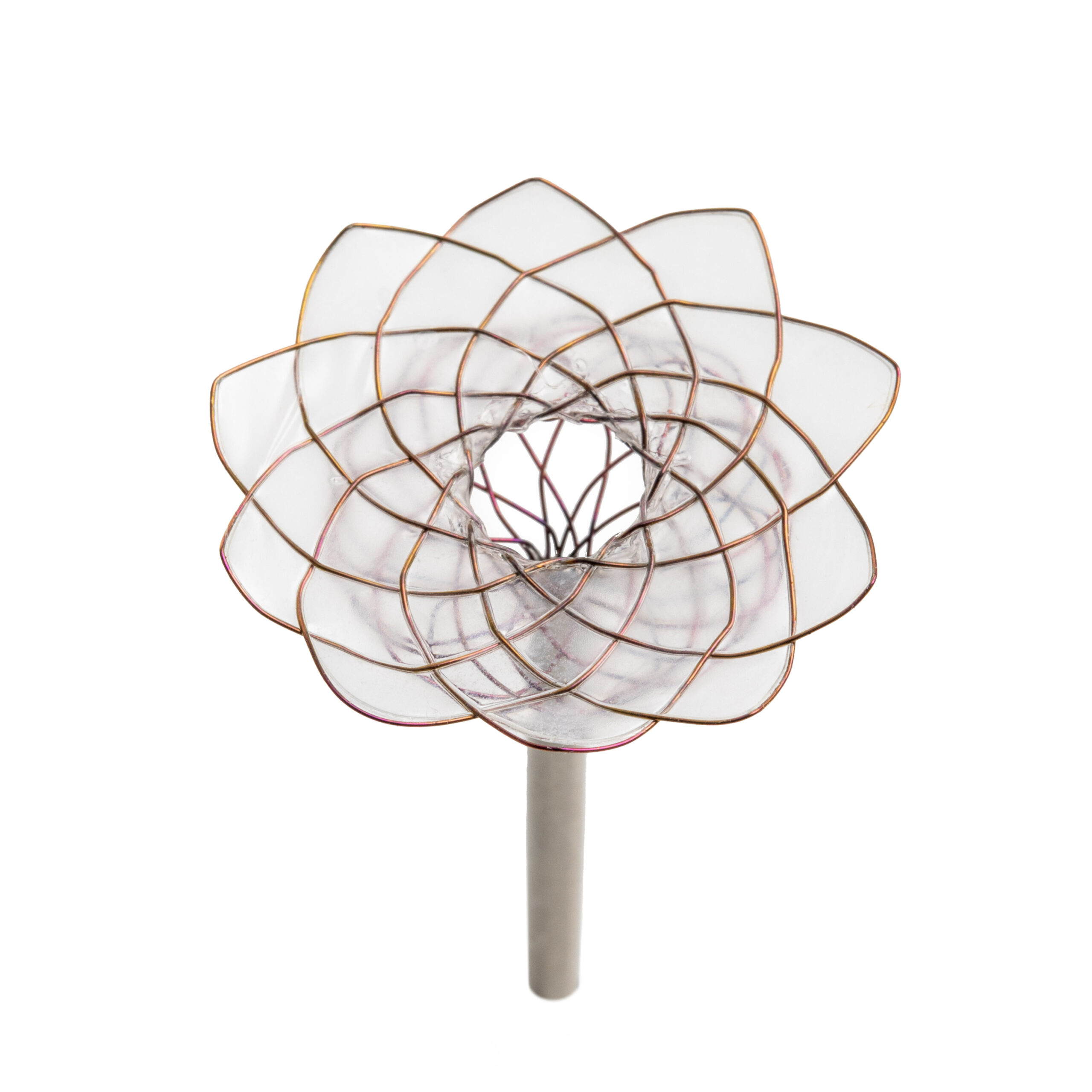
One of Nicolas’ standout projects began with a university spin-off and a simple concept: an implantable device designed to reduce arterial blood pressure and prevent the risk of itracranial hypertension. “The company came to us with an idea and a drawing,” Nicolas says. “Our job was to make it work.”
The process began in CAD. Laser-cut stent models were developed and refined, then produced using high-precision laser-cutting to test performance in controlled environments. High precision assembly combined multiple materials into a functional implantable device.
These prototypes were implanted into cardiovascular system models, where simulated blood flow and dye tracking allowed engineers to measure pressure changes and flow dynamics.
“It’s never perfect first time,” Nicolas says. “You iterate. You learn. You improve.”Only once performance and reliability met stringent criteria did the team move to more representative materials and advanced prototyping, ultimately progressing to successful in-vivo trials. “It’s a huge responsibility,” he reflects. “But also hugely motivating.”
Designing for the ‘what if?’
Not every project starts at concept stage. In another case, OxDevice was approached by a company with an advanced implant already developed, but facing a regulatory hurdle. The implant, designed for use within the brain, relied on its own mechanism to exit the body safely. Regulators asked a critical question: what happens if that mechanism fails?
“That’s where we came in,” Nicolas explains. “We had to design a system that could safely retrieve it.” The solution required developing a delivery and extraction tool capable of navigating delicate brain tissue, tracking the implant’s path, securely encapsulating it and removing it withminimal trauma.
It demanded a balance of stiffness and flexibility. Strength and sensitivity. Mechanical precision and medical awareness. “In medical engineering, risk isn’t something you ignore. It’s something you design for.”
The project drew heavily on OxDevice’s collective expertise. With decades of medical device experience across the team, Nicolas says knowledge-sharing plays a crucial role. “You learn from the people around you. There’s a depth of experience here that shapes how you assess risk and approach every decision.”
Focused on the product, not the competition
Unlike many companies in the medical device sector, OxDevice doesn’t develop products for its own commercial portfolio. Instead, it works alongside innovators to help them bring their ideas to life.
That model creates a different dynamic. “We’re not competing in the market with our own product,” Nicolas explains. “Our focus is purely on making the best possible product for our customer.”
That independence allows the team to concentrate on technical excellence – whether that means early-stage brainstorming, de-risking a complex implant, or translating detailed drawings into machinist-ready manufacturing instructions. It also enables OxDevice to act as a bridge between stages of development.
“Sometimes clients come to us with nothing more than an idea,” Nicolas says. “Other times they have a product ready for manufacture but need help getting it there. We can support that whole journey.”
Engineering with purpose
For Nicolas, moving from general mechanical engineering into the medical world brought a shift in mindset. “As an engineer, we obsess over every detail,” he admits. “But in medical devices, one foremost: you’re designing a device that will sit inside someone.”
That awareness shapes every design decision.“Knowing that your work could genuinely help someone pushes you to take every risk seriously and get it right.”
As implantable technologies continue to evolve and become more sophisticated, Nicolas sees OxDevice playing an important role in shaping what’s possible. “We’re often working at the very early stages,” he says. “Helping to turn ideas into something real. That’s exciting.”
And for engineers who thrive on complexity, collaboration and meaningful impact, it’s exactly where they want to be.